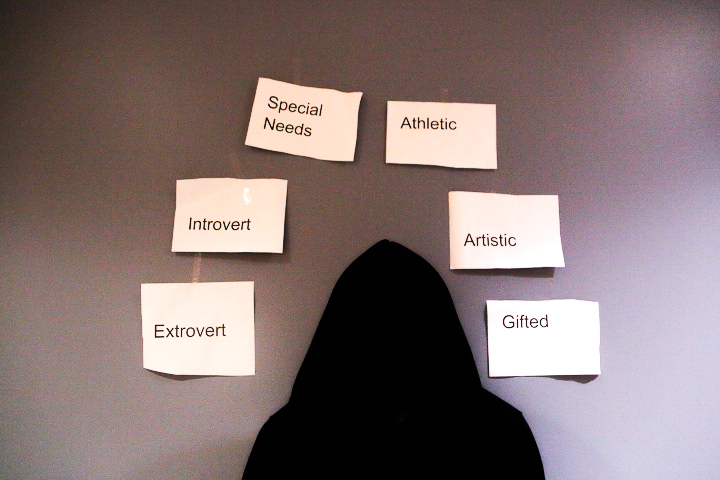


As the first generation (born 1997-2012) to be raised with the internet at their fingertips, Gen Z is growing up in a world overflowing with connection, yet somehow feeling less connected than ever. Adults and teens alike say Gen Z students are struggling to read emotional cues, empathize deeply, or even sit with uncomfortable feelings. And the consequences reach far beyond the classroom.
While many people dismiss this shift as normal teenage behavior, the decline in empathy among Gen Z is real, and it’s becoming increasingly visible. This is not about blaming a generation, but about understanding the forces that shape them. From digital overwhelm to emotional burnout, the issue runs deeper than stereotypes.
One major factor behind Gen Z’s empathy decline is constant distraction. With phones becoming an extension of the self, many teens struggle to be fully present with people around them. As Western Civilization and AP Literature teacher, Chris Knerr explained, “when you walk down the hall, everyone is like this” mimicking students bent over their screens. He added, “This is your world,” pointing to his phone. A statement that reflects how digital spaces now compete with real human connection. When attention is consumed by devices, emotional awareness naturally begins to wane.
Another cause is a growing sense of solipsism–the belief, even unintentionally, that one’s own perspective is the only one that truly exists. Gen Z is surrounded by personalized feeds, curated content and constant gratification, which can slowly narrow their emotional scope. “I think we’re to the point where there’s a sort of solipsism,” Knerr said, noting that when combined with “pleasure and distraction,” the effect becomes “enormous.” This inward focus makes it harder for teens to understand experiences outside their own. As a result, empathy becomes something they engage with less frequently and less deeply.
A concerning truth prevalent today is that many teens rarely pause to process their own emotions, let alone consider the emotions of others. Knerr emphasized that “if you don’t look inside yourself, you’re not going to build who you are, and your relationships are going to look the same.” Without time spent developing inner awareness, outward empathy has little room to grow. Self-understanding and compassion go hand in hand and Gen Z is losing both.
Some argue that Gen Z isn’t less empathetic, just more selective about where they show it. While it’s true that teens today care deeply about certain global issues, that doesn’t always translate into real interpersonal connection. Awareness isn’t the same as empathy, and caring about something online doesn’t automatically mean engaging compassionately in daily life. The difference between intention and action is where the empathy gap becomes visible. Gen Z may be passionate, but passion alone doesn’t replace presence.
Another common claim is that technology brings people together more than ever. Social media does offer spaces to share experiences and support others, but those connections are often shallow or short-lived. Constant notifications and algorithm-driven feeds compete with genuine attention, making empathy harder to sustain. A conducted Stanford study affirms this notion as nearly half of participating college students admit to struggling with persistent feelings of distance and isolation. Digital connection can complement real relationships, but it can’t replace the emotional depth that comes from face to face understanding. In many cases, the same tools meant to unite us end up creating distance.
Some people dismiss the issue by saying all teenagers lack empathy because adolescence is naturally self-centered. But today’s teens face pressures and distractions previous generations never experienced: nonstop content, curated identity, and emotional burnout. These factors don’t just amplify typical teenage behavior, they fundamentally reshape how young people relate to themselves and others. What might once have been a phase has now become a larger cultural pattern. Ignoring that shift means ignoring a very real problem.
Rebuilding empathy in Gen Z will require intentional changes in how we interact with each other and the world around us. It starts with creating more spaces where teens can slow down, unplug, and actually listen. Schools, families, and communities can all play a role by encouraging real conversations instead of passive scrolling. Practicing self-reflection—through journaling, discussions, or simply taking time alone—can also help teens understand their own emotions, which makes it easier to understand others. Most importantly, empathy has to be modeled, not lectured. When young people see compassion in action, they’re more likely to practice it themselves.
Gen Z isn’t doomed or heartless, but they are growing up in a world that makes empathy harder to access. The distractions, pressures, and emotional overload shaping this generation are real and so are their effects. A decline in empathy doesn’t mean a decline in humanity, it means a shift that deserves attention and care. Understanding the causes is the first step toward reversing the trend. If Gen Z can learn to slow down, look inward, and truly notice the people around them, empathy can be revived. A return to empathy may turn the disconnected generation into a reconnected generation.