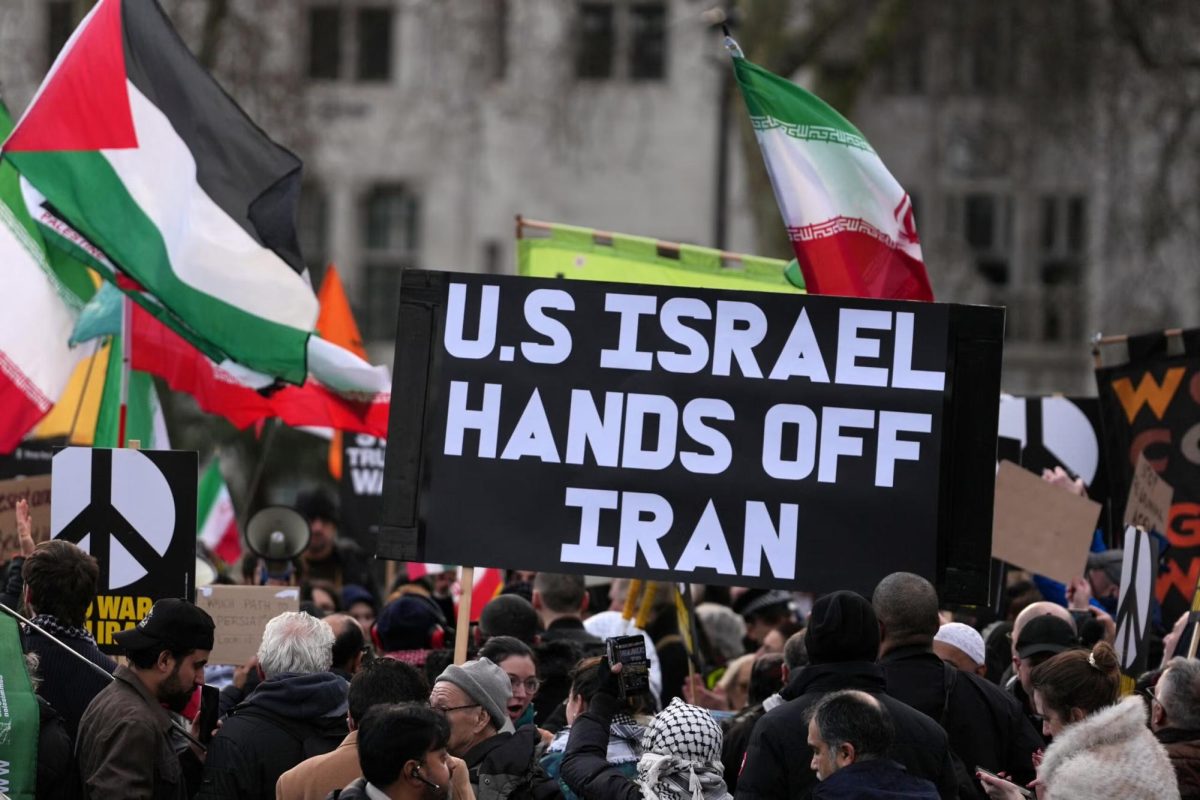


On Saturday, October 18th, the second “No Kings” protest occurred in several cities across America, including Saint Louis. The protesters objected to what they believed to be Donald Trump’s “authoritarian” agenda. The first “No Kings” protests took place in June, when about 5 million people took to the streets to protest Trump’s administration as he held his military parade in Washington, DC.
In a CNN politics article discussing the cause behind the “No Kings” protests, CNN informed the public about the most recent “No Kings” protest: “Nearly 7 million people showed up for Saturday’s rallies – including more than 100,000 people in New York, organizers and officials said. Along with larger events in major cities, small pockets of “No Kings” protesters cropped up along busy thoroughfares, in small town squares and at municipal parks in red and blue states alike.” Following a hectic summer of a significant number of deportations, these demonstrations were also held to oppose federal immigration enforcement and the deployment of federal troops in cities with a larger democratic population.
Donald Trump’s social media platforms have stated that the people involved were extremists and predicted that they would be violent, which turned out not to be true. Many republican outlets also argued that the “No Kings” message is nonsensical because Donald Trump was a democratically elected president who sometimes works with Congress. The demonstrators seem to be asserting that Trump is trying to use his power without restraint whenever he can, rather than that he is a monarch in a traditional sense.
CNN noted: “Trump said Sunday that the people were “not representative of this country.” He and his team have taken to mockingly posting memes and AI videos with Trump donning a crown — including one that the president shared in which he dumps brown waste on protesters.”
After witnessing these infantile social media posts made by the President, some Americans have become extremely sympathetic with the “No Kings” message; it now resonates with them.
The same CNN article stated that “A decade ago, many Republicans accused Barack Obama of acting like a king, too. And what about when Joe Biden tried to work around a Supreme Court ruling invalidating his move on student loans? But Americans clearly see a difference with Trump.”
This situation has clearly rapidly evolved. Former president Barack Obama said this quote, “…over time, we lose our capacity to distinguish between fact, opinion and wholesale fiction. Or maybe we just stop caring.” Americans don’t know what to believe anymore because the distinction between fact and fiction in the media no longer exists. Misinformation is a threat to democracy in 2025.
A Reuters article that reviewed the crisis that America has found itself in, “The protests reflected growing unease among many Americans, mainly on the ideological left, with developments such as the criminal prosecution of Trump’s perceived political enemies, his militarized immigration crackdown and the sending of National Guard troops into U.S. cities — a move Trump has said was aimed at fighting crime and protecting immigration agents.”
As this country rapidly changes its values, it highlights the complexity of American political life. The issues surrounding presidential power, public dissent, and the role of media reflect broader questions about governance and civic engagement in the United States. As this situation continues to evolve, it remains important to observe these events with attention to multiple perspectives and ongoing changes.