
Ever since the founding of America, immigrants have been an integral part of the functioning of our society and have introduced many new languages to the U.S. Out of the many languages spoken throughout the United States, the most commonly spoken language in the country other than English is Spanish. Gina Meeks, a Spanish teacher at Westminster Christian Academy gives her opinion on how Spanish became so popular in the United States:
“I believe the reason that it became so popular is because they increased the population in America. We have probably more Spanish speakers in America now than the population in Spain, which is crazy. […] Do I think it is important for Americans to learn the language? Absolutely, yes. Because there is a big chance they will interact with Hispanics. And it’s a win win. Americans can help Hispanics when they don’t know English.”
Furthermore, Rene Dunn, an upper school Spanish teacher at Westminster Christian Academy explains the roots of Spanish in America:
“It’s the consequence of Spanish Imperialism. It started 500 years ago and took over indigenous languages in Central and South America and a lot of North America, so it has implanted itself because of those conquests.”
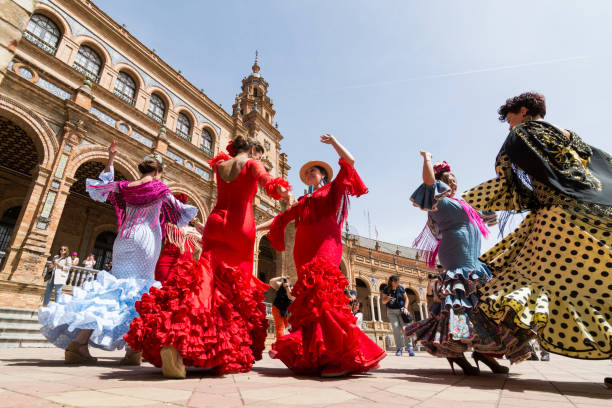
As a result of historical events, Spanish as a language has become mainstream and is rapidly growing in popularity because of how closely-knit it is with the foundations American culture.
Dan Legters, Upper school Spanish teacher and Varsity soccer coach at Westminster Christian Academy:
“I think the language became so popular because of the influx of hispanics over the years and also because of the cultural influence in media.”
The way Spanish influence has impacted the media has also allowed people to pick up on phrases and sparked interest within the wider U.S. population when it comes to learning the language. The more Spanish continues to grow in popularity, the stronger influence is integrated into our culture over a long period of time. Dunn continues:
“In the U.S., because of our proximity to the Spanish speaking world, I think it’s very useful and very valuable that we have resources beyond just a tool or an application that’s outside of ourselves, but that we have the capacity to be able to communicate and therefore foster good relationships with the Spanish speaking world. To know one phrase or to know a couple expressions in another language will catch people off guard and they’ll be surprised, but then it builds a connection. And if you can build that connection, you make a bridge, it fosters friendship, it fosters connection, it fosters community.”
Within most high schools, teenagers are required to study a world language. One of the languages most commonly studied is Spanish, which helps spread awareness about the language and culture. Not only does studying a language help people with social life, but it also helps expand students’ intellectual horizons.
In addition, learning a language reminds people of what it means to fully immerse oneself in another culture. It is not something where people immediately obtain the information they want, but have to work harder to understand the words they ingest, in direct contrast to the very formation of how the internet with a quick imaging system is built. Becoming fluent in another language forces people to stretch their minds beyond science and logic, but creates an emotional connection to the culture as well. Many people live in their own small corners of society but the study of languages encourages them to look outside themselves and see the world through the eyes of others. According to Dan Legters,
“Being able to communicate with them in their language shows that we value, respect and give dignity to them in a way that is Biblical. It is a way of welcoming the stranger and making them feel connected when in many instances they may feel alienated and lonely. I think if anyone is interested in being welcoming and showing dignity to others, especially in Christ’s name, one of the main ways of doing it is through language.”
By learning Spanish people are not just connecting with a language, but a worldview. It would be like taking a history class that dives deeper into what people are learning. It teaches people something that can not be comprehended with a formula. It prioritizes respecting others just as Jesus has called everyone to do. Azalea Rosales, a Westminster senior well-versed in the Spanish language, explains this point:
“There’s a lot of culture associated with the Spanish language. And being able to learn more about that, and it’s really impacted how I see the world around me, and how I interact with. We all make food for each other and bring food almost every single week for each other. But it’s just a time to take a break from class work and gather ourselves around a dish or a certain type of Spanish food or just donuts.”
Immersing oneself in another culture broadens not only someone’s view of themselves, but also how others view them. It reinforces the ideal of being truly human and requires investment in other people. When people commit to learning a language, they invest in something bigger than themselves, and can gain a broader understanding of the world around them.